
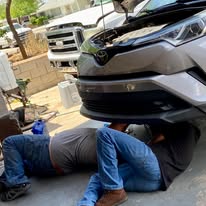


Auto maintenance services are essential to keeping your vehicle running efficiently, safely, and reliably. Whether you drive a compact car, a rugged SUV, or a hardworking truck, routine maintenance extends your vehicle’s life and saves you money in the long run. Many people overlook auto maintenance until something goes wrong, but regular checkups can prevent major breakdowns and costly repairs.
What Is Auto Maintenance?
Auto maintenance includes a variety of services designed to keep your vehicle in good working condition. These services include:
- Oil changes
- Brake inspections and repairs
- Battery testing and replacement
- Fluid checks and top-offs (coolant, brake fluid, transmission fluid, etc.)
- Engine diagnostics
- Filter replacements (air, fuel, cabin)
Each of these tasks ensures that your car runs efficiently and safely. Ignoring them can lead to engine failure, poor gas mileage, or even accidents.
Benefits of Regular Auto Maintenance
- Improved Safety
Regular maintenance helps mechanics catch problems before they become dangerous. Faulty brakes, worn tires, or low fluid levels can lead to serious safety hazards on the road. - Increased Longevity
Keeping up with scheduled maintenance can add years to your vehicle’s life. A well-maintained engine and drivetrain perform better and last longer. - Better Fuel Efficiency
A car that is regularly serviced uses less fuel. Clean filters, fresh oil, and properly inflated tires all help your vehicle run more efficiently. - Higher Resale Value
If you plan to sell or trade in your car, a documented history of maintenance can significantly increase its value. Buyers feel more confident purchasing a car that has been properly cared for. - Lower Repair Costs
Preventive maintenance is always cheaper than emergency repairs. Catching small problems early can save you from dealing with expensive breakdowns later.
When Should You Get Auto Maintenance?
Every car is different, but your vehicle’s owner manual provides a recommended schedule for maintenance services. Typically, you should get your oil changed every 3,000 to 7,500 miles depending on your car and the type of oil used. Tire rotations are often done every 5,000 to 8,000 miles. A qualified mechanic can also help you set up a personalized maintenance schedule based on your driving habits.
Trust the Professionals
While some vehicle upkeep, like checking your tire pressure or topping off windshield washer fluid, can be done at home, most maintenance tasks should be handled by a professional mechanic. Certified auto shops have the right tools, training, and diagnostic equipment to properly service your vehicle.
Final Thoughts
Auto maintenance services are more than just a routine check-up — they’re an investment in your vehicle’s health, your safety, and your wallet. Don’t wait for the check engine light to come on. Stay ahead of issues by keeping your car maintained on a regular schedule. Your future self — and your car — will thank you.